


Blog
NEP (N-Ethylpentedrone): An Exhaustive Inquiry of NEP Crystal
18
Aug
Aug
Recently, NEP (N-Ethylpentedrone) has gained more attention in conversations about synthetic research chemicals. Known as “nep crystal” in its crystal form, it interests both scientists and medical professionals. This overview covers NEP’s properties, uses, risks, and current status for educational purposes only.
What is NEP (N-Ethylpentedrone)?
NEP, or N-Ethylpentedrone, is a synthetic cathinone. These substances are structurally similar to the natural stimulant cathinone found in the khat plant. NEP is a designer drug made to mimic other stimulants and is usually found as crystals, often called “nep crystal.”
Chemically, NEP is a substituted cathinone, meaning its core structure has been changed. These changes affect how it works in the body, including its strength and how long its effects last.
History and Background
Synthetic cathinones like NEP started appearing in the early 2000s as alternatives to more tightly controlled stimulants. Chemists created many similar compounds, each with unique features. NEP was introduced mainly for research, not for direct use.
As regulations on known stimulants became stricter, compounds like NEP crystal became more common. This shows how new research chemicals often appear as rules change.
Physical and Chemical Properties
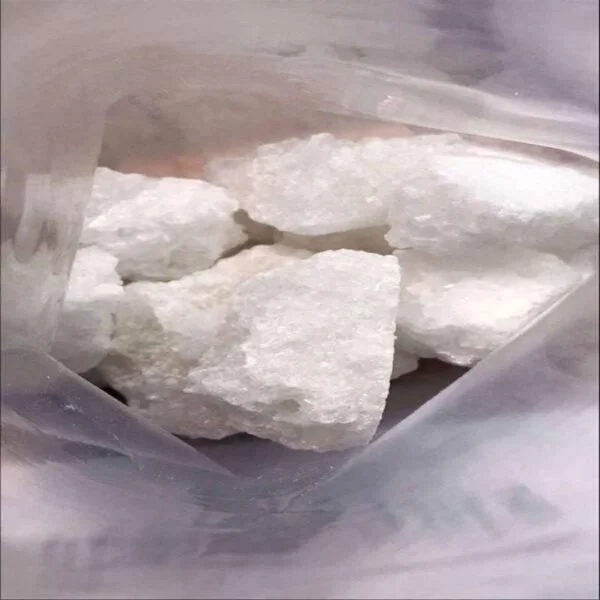
NEP usually appears as a white or off-white crystal powder, like many other synthetic cathinones and is often called nep crystal. It is chemically similar to pentedrone, but has an added ethyl group, which changes how it acts in the body.
NEP dissolves in water and organic solvents, making it useful for lab tests. Its crystals can look like fine powder or larger grains.
Common Uses and Research Context
Like other synthetic cathinones, NEP is mainly made for research and technical use. Labs use NEP crystals to study how cathinone compounds affect the body, develop tests, and examine how they interact with certain receptors.
Some synthetic cathinones have been misused outside labs, but NEP is not approved for people to use. Experts stress that these chemicals should only be handled safely in controlled settings.
Effects and Mechanism of Action
As a substituted cathinone, NEP functions as a stimulant. Its effects are thought to be due to NEP’s role as a substituted cathinone. It likely works by affecting brain chemicals like dopamine and norepinephrine, leading to effects similar to other cathinones: alertness, elevated heart rate, and enhanced energy. These outcomes are consistent with those observed for other substances within the same class. The intensity and duration of NEP’s effects may vary depending on dosage, purity, and personal physiological differences.
Because NEP is new, research on its effects remains limited. Most information comes from studies on similar cathinones or from lab reports.
Risks and Safety Issues
Using NEP outside of research settings is risky. Synthetic cathinones like NEP crystal can cause anxiety, agitation, heart problems, and sometimes more serious effects.
Another issue is that research chemicals often lack quality control. Differences in purity and possible contaminants can raise the risk of unexpected or harmful reactions.
Anyone working with NEP or similar chemicals must follow strict safety rules. Labs use protective gear, safe storage, and careful procedures to reduce risks. NEP may also be regulated or restricted in many places because it is a designer drug.
Legal Status
The legal status of NEP varies by country. In some jurisdictions, NEP and related compounds are specifically listed as controlled substances. In others, they may fall under analog laws, which regulate chemicals similar in structure or effect to known controlled drugs.
Because new synthetic substances are developed quickly, laws often change. Always check the latest regulations before getting, handling, or researching NEP crystal or similar compounds.
Distinction from Other Substances
NEP is one of many cathinone derivatives and is different from substances like pentedrone or methylone. Its unique chemical changes affect its use in research, its effects, and its safety. Researchers need to notice these differences to analyze results correctly and avoid mistakes.
Storage and Handling
Proper storage and handling are important to keep NEP stable and safe. Labs usually keep NEP crystals in sealed containers, away from light, moisture, and contaminants. Controlling temperature is also needed, since extreme conditions can break down the compound.
People working with NEP should wear gloves and protective clothing and ensure good ventilation. Careful documentation and clear labeling help track samples and prevent mistakes.
Analytical Methods
Researchers employ a range of analytical methods to examine NEP. Common methods include gas chromatography-mass spectrometry (GC-MS). Researchers use several methods to study NEP. Common ones are gas chromatography-mass spectrometry (GC-MS) and high-performance liquid chromatography (HPLC). These methods help identify and measure NEP crystals in samples. They provide consistent, reliable results when working with new synthetic compounds such as NEP.
Ethical and Social Aspects
The rise of substances like NEP raises ethical questions about making and sharing research chemicals. While these compounds help us learn about neuroscience and pharmacology, their use outside regulated channels can cause problems. Researchers should think about the broader impact of their work with NEP crystal and similar substances. Transparency, ethical conduct, and collaboration with regulators are key to responsible research.
Future Directions in Research
Scientific interest in NEP and related compounds is expected to persist as researchers investigate the detailed interactions among synthetic cathinones and the human body. Researchers will likely continue studying NEP and similar compounds to understand how synthetic cathinones interact with the brain. New testing methods and changing regulations will shape future research in this field of synthetic research chemicals.
Conclusion
NEP (N-Ethylpentedrone) is a good example of how research chemicals are changing. It is usually found as crystals and mainly used in labs for scientific study. Like all synthetic cathinones, NEP should be handled carefully, following laws and ethical guidelines. Anyone studying new chemicals needs to understand their properties fully, uses, and risks.
